What is a Dewatering Screen and How Does It Work?
Struggling with high moisture in your fine materials? This often leads to handling issues and lower product quality. Discover a simple, effective solution that can change your operations.
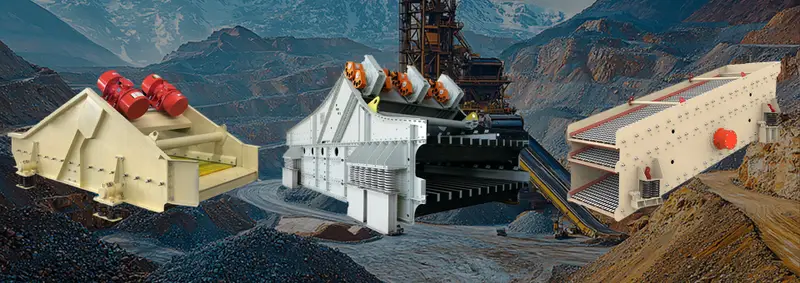
A dewatering screen is a specialized piece of equipment designed to separate water from solid materials. It uses high-frequency vibrations and a sloped screen deck to efficiently remove excess moisture, resulting in a drier, more manageable final product, crucial for many mining and industrial processes.
This simple function is key to so many processes in mining. But it's not always straightforward. The real magic is in how we optimize these machines for specific, often tricky, materials. I've seen firsthand how a small adjustment can make a world of difference. So, let's explore this further and break down what makes these screens so essential.
What is the purpose of a dewatering screen?
Wondering why you need another machine in your processing line? High water content creates problems, increasing transport costs and processing time. There's a targeted tool for this specific job.
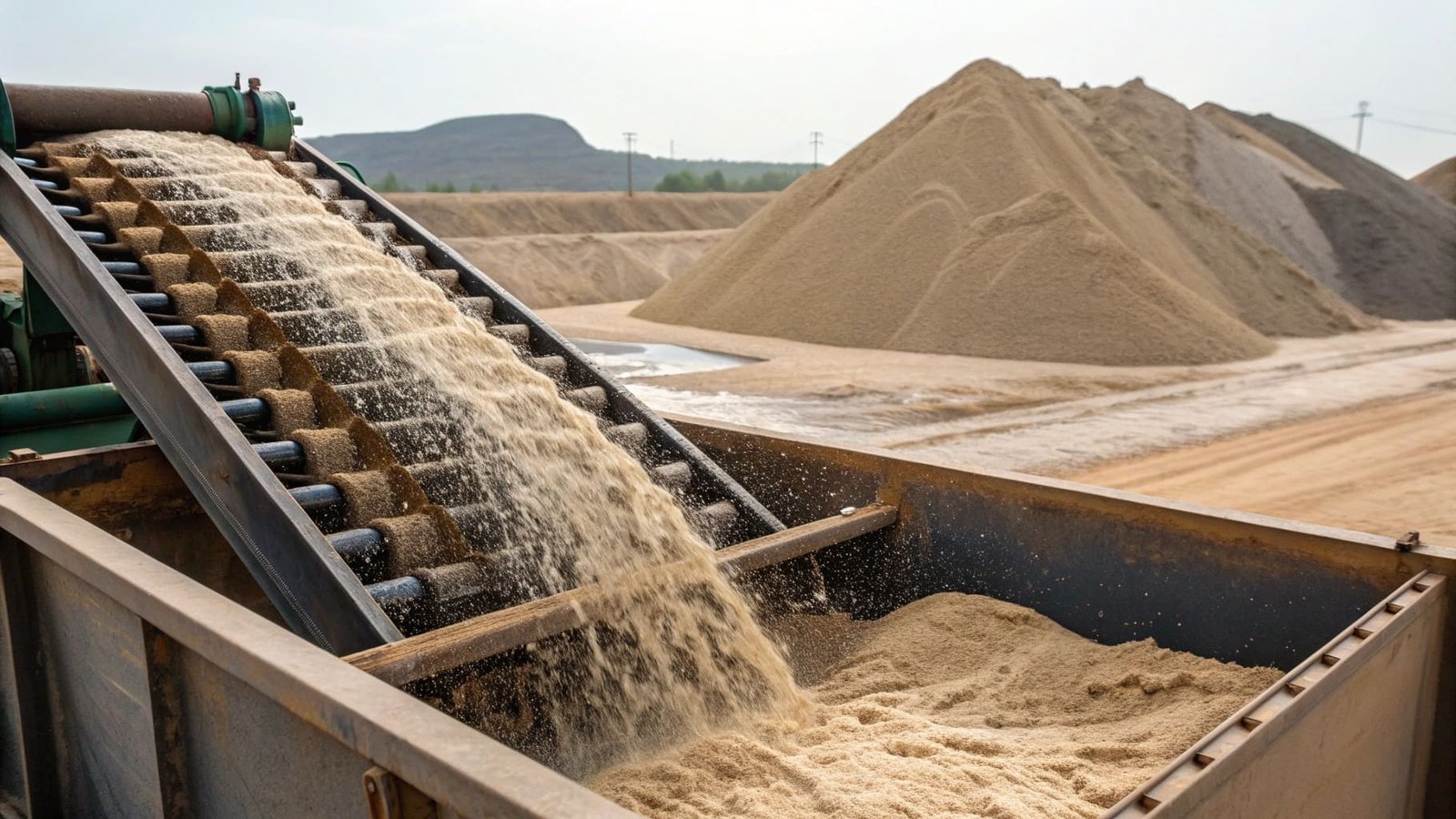
The main purpose of a dewatering screen is to reduce the moisture content of a solid material stream. This helps in producing a drier final product, recovering fine solids from a slurry, and preparing materials for the next stage of processing, like stockpiling or transport.
The purpose goes beyond just drying. It's about efficiency and value. When you remove water, you achieve several key goals at once.
First, you improve the quality of your product. For example, in sand and aggregate production, a lower moisture content means the product meets specifications and is ready for sale faster. Second, you reduce operational costs. Wet material is heavy and sticky, making it difficult and expensive to transport. Drier material is lighter and flows better, saving energy on conveyors and reducing wear and tear on equipment. Third, it aids in water recovery. In many mining operations, water is a valuable resource. Dewatering screens help separate water from tailings so it can be recycled back into the plant. This is both cost-effective and environmentally responsible.
Here's a simple breakdown of its core functions:
| Function | Benefit for Mining Operations |
|---|---|
| Moisture Reduction | Lighter material, lower transport costs, faster drying time. |
| Fines Recovery | Captures valuable fine particles that might be lost. |
| Water Recycling | Reduces fresh water consumption, promoting sustainability. |
| Product Handling | Creates a non-drip, stackable product that is easier to manage. |
Ultimately, a dewatering screen is a strategic tool for optimizing your entire processing circuit. It's a machine that pays for itself through lower costs and better product quality.
How much moisture can a dewatering screen actually remove?
Is your material still too wet after initial screening? Dealing with soggy stockpiles can be frustrating and costly. A specialized screen can achieve impressively low moisture levels effectively.
A dewatering screen can significantly reduce moisture content, often bringing it down to as low as 12-15% in materials like fine sand or coal. The final moisture level depends on the material's particle size, the screen's setup, and the initial water content.
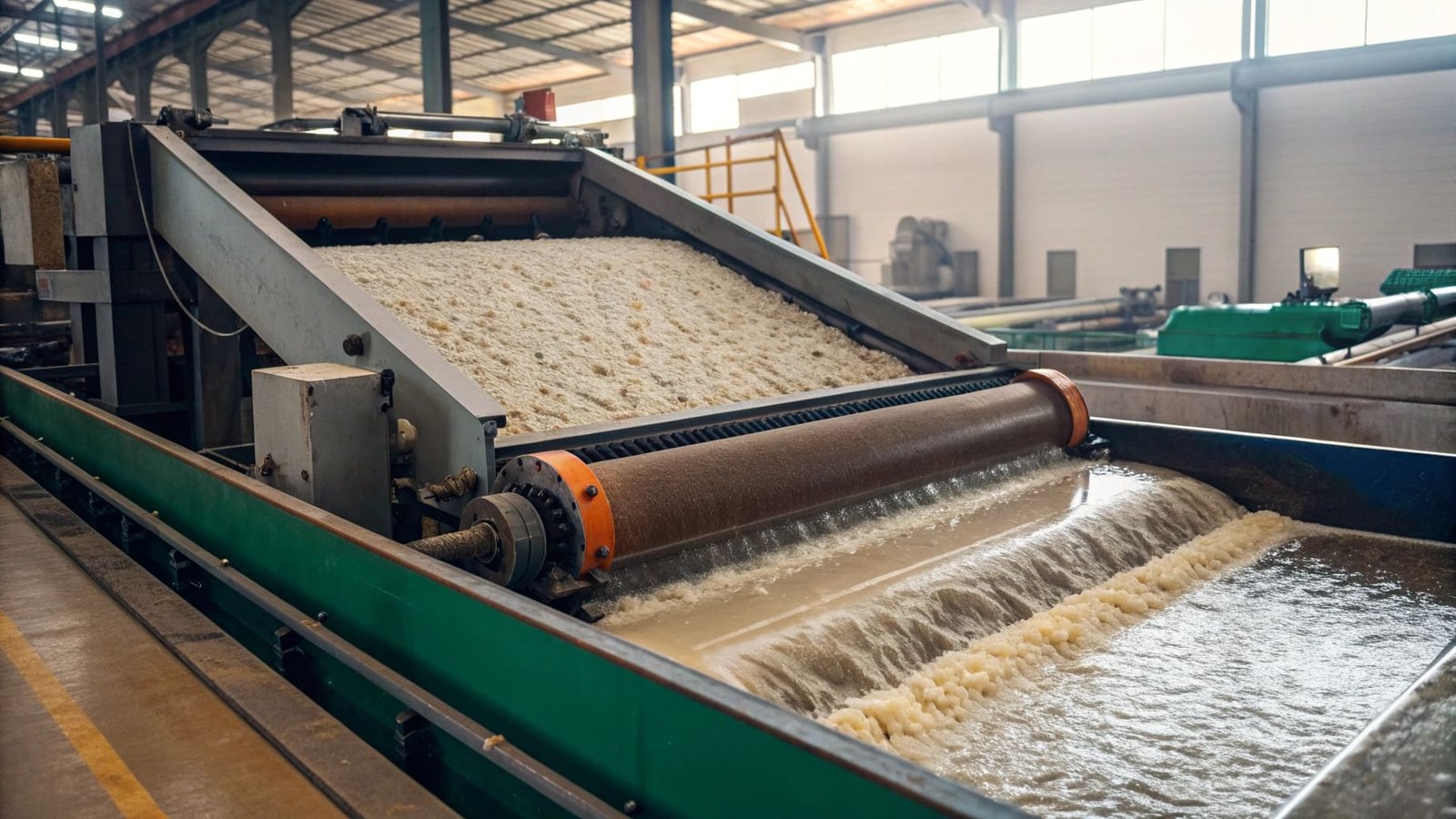
The question of final moisture content is one I get all the time. Everyone wants a specific number, but it's not that simple. The final moisture content hinges on several factors.
- Particle Size Distribution: Finer materials naturally hold more water because of their larger total surface area. Coarse sand will dewater much more easily than ultra-fine tailings.
- Vibration Parameters: The frequency and amplitude of the screen's vibration are critical. I adjust these settings to match the material. Higher frequency is generally better for finer particles.
- Screen Deck Angle: Dewatering screens are typically installed at a slight uphill incline of about 3 to 5 degrees. This uphill slope creates a deeper material bed at the discharge end, which helps squeeze out more water.
- Screen Media: The type of screen panels used, especially the aperture size, plays a huge role. Using polyurethane screen panels with very fine slots is common. But getting this design right without causing blockages is a real challenge.
I remember a client in Australia who had a unique problem. We designed a high-frequency dewatering screen for their tailings. The main goal was maximum dewatering. However, their ore had an unusually high clay content. This clay formed a very thin film on the polyurethane screen panels during operation. At first, they were worried it would blind the screen openings. But when they tested the output, they found something amazing. This thin mud film actually helped trap more ultra-fine particles. It led to a perfectly balanced final product with ideal moisture and low fines loss. It was an unexpected improvement that made the client very happy. This experience shows how crucial it is to adapt the screen to the specific material you are working with.
What is a good example of dewatering in gold mining?
Handling waste in gold mining is a huge challenge. Slurry-like carbon-in-pulp (CIP) tailings are wet and difficult to manage. There's a better way to prepare them for disposal.
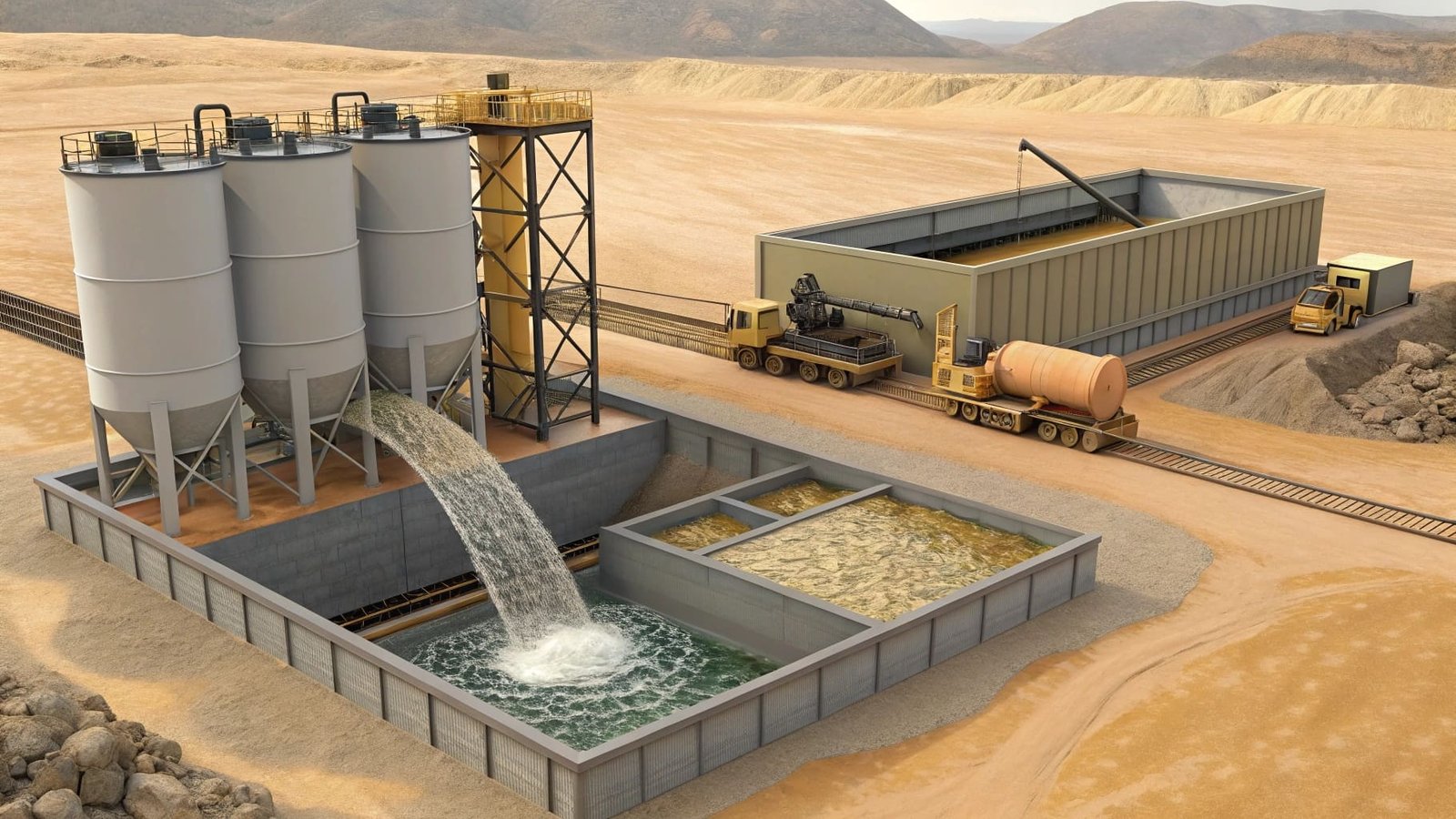
A key example in gold mining is dewatering carbon fines or tailings. After the gold is recovered, a dewatering screen separates the fine carbon particles and residual slurry from the process water. This creates a manageable, stackable solid waste and allows for water recycling in the plant.
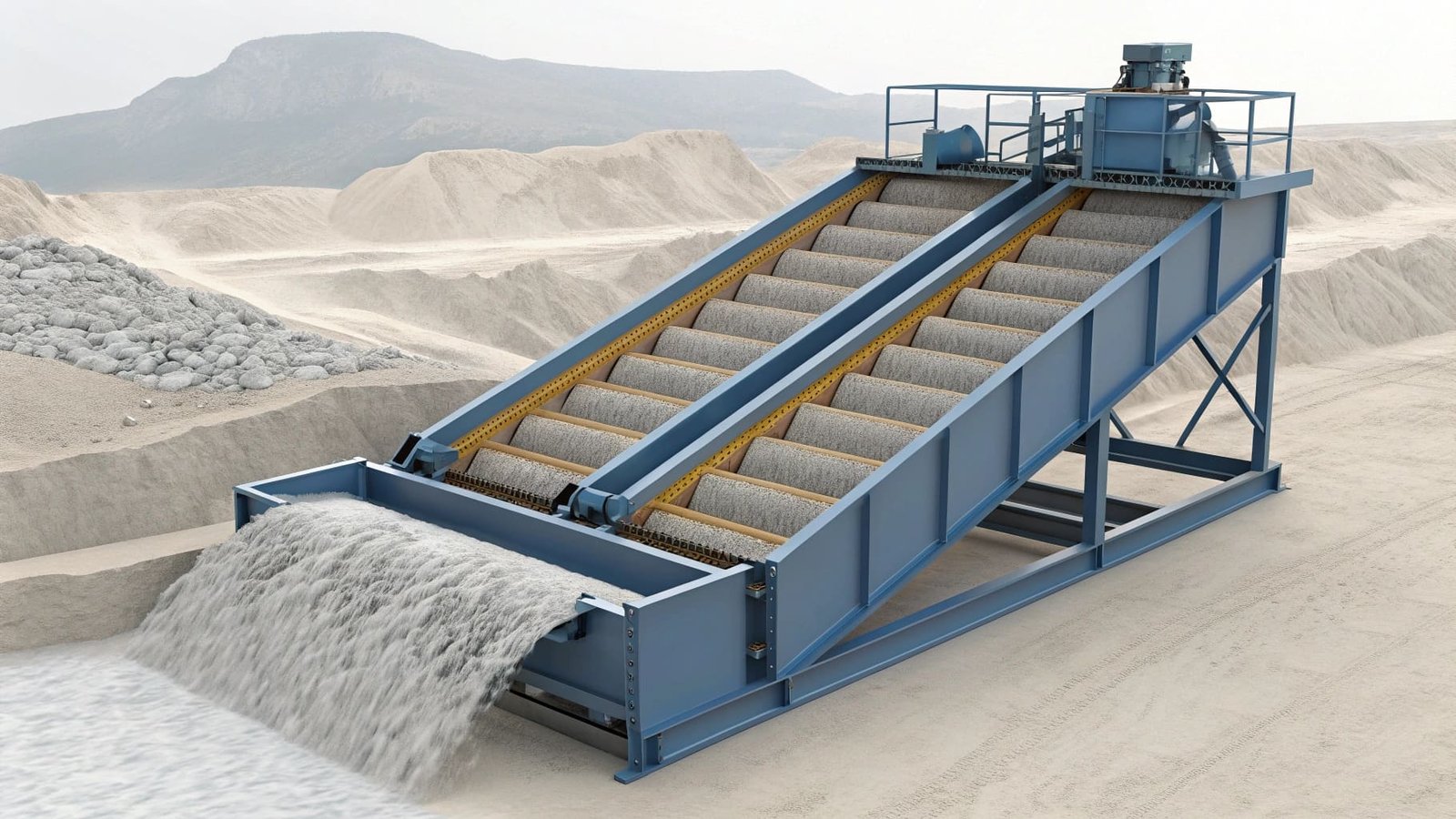
In gold mining, especially in CIP or CIL (Carbon-in-Leach) circuits, managing the "waste" stream is critical. This material isn't just waste; it often contains fine carbon particles that need to be recovered, and the water itself is valuable.
Here’s how a dewatering screen[^1] fits in. After the gold has been adsorbed onto activated carbon, the slurry goes through various separation stages. A dewatering screen is often used on the final tailings stream. The high-frequency vibration shakes the water loose from the solid particles. The water passes through the screen deck and is collected to be reused in the plant. The now-dewatered solids come off the end of the screen as a thick, almost paste-like cake.
This process has two major benefits:
Environmental Management: Wet tailings stored in large ponds pose environmental risks. By dewatering them, you create a more stable, stackable material, a practice known as "dry stacking[^2]." This reduces the footprint of the tailings dam and minimizes the risk of seepage. Resource Recovery: The screen can be designed to recover valuable fine carbon particles that may have slipped through earlier stages. Also, recycling the process water significantly cuts down on the mine's need for fresh water. This is a major operational cost and environmental concern, especially in dry regions. Achieving high efficiency here, especially with fine, sticky materials, is tough. It requires precise control of vibration and specialized screen panels. From my experience, very few manufacturers have truly mastered this for specific client needs, especially when a unique wear-resistant polyurethane panel is required. It's a combination of engineering art and science.
[^1]: Explore this link to understand how dewatering screens enhance efficiency and resource recovery in gold mining operations. [^2]: Learn about dry stacking's environmental advantages and its role in reducing tailings dam risks.
Conclusion
Dewatering screens are vital for reducing moisture and improving efficiency. By understanding their purpose and proper application, you can significantly enhance your product quality and lower your operational costs.