Moving materials is a big part of many operations. If you handle bulk solids, you know how hard it can be to keep the process moving. A poor setup slows everything down. It costs money and wastes time. You need a way to feed material into a system reliably. A machine built just for this job is called a Vibrating Feeder. It ensures a steady, controlled flow. This control is key to smooth operation.
Different Types and Applications
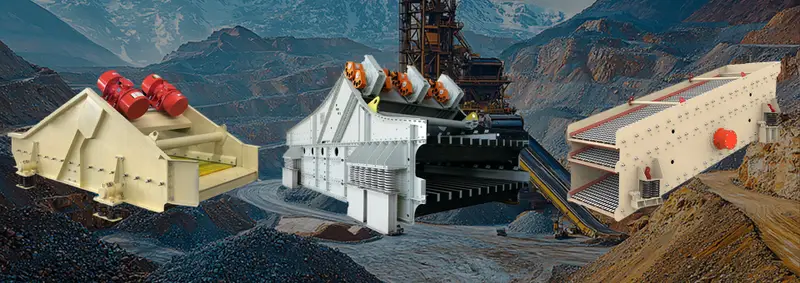
There are a few main ways these machines work. Some use magnets. These are called electromagnetic models. They offer very fine control over the vibration power. This is great for light or sensitive materials. Other types use motors and weights. These are mechanical feeders. They are generally stronger and better for very heavy materials, like large stone or ore.
What to Check Before You Choose
You need to look at a few simple points before you buy. These details will save you a lot of trouble later on.
1. The Material
- ● Size and shape. Are your materials fine, like powder or large like boulders? The feeder’s pan must be wide enough and strong enough for the biggest pieces.
- ● Density. How heavy is the material per volume? This affects the power needed to make it move at the right speed.
- ● Moisture. Is the material wet or sticky? Wet material can clump and stick to the pan. You might need a steeper slope or special liners to prevent buildup. This prevents slowdowns.
2. The Operation
- ● Capacity. How many tons of material must it move per hour? Get a feeder rated slightly higher than your maximum need. You do not want to push the machine to its limit every day.
- ● Location. Where will the machine sit? You need enough space for installation. You also need room for maintenance access. Also, consider the angle of the material coming into and out of the feeder. Everything needs to line up perfectly.
3. Maintenance
- ● Simple design. Look for machines that are easy to fix. Fewer moving parts often mean fewer things can break. Simple is always better.
- ● Accessible parts. Can you easily reach the motors or bearings? If fixing something takes an entire day, that means more costly downtime. Downtime should be avoided as much as possible.
A Note on Installation
The best feeder in the world will fail if it is installed poorly. Any shaking or unbalance from a bad installation will put extra stress on the components.
Always bolt it down securely. Check all connections. A proper setup also includes the discharge point. The material needs to fall cleanly onto the next machine or conveyor belt. If it falls unevenly, it can still cause a bottleneck. Spend the extra time during installation. It pays off in reliability later.
Conclusion
To choose the correct equipment, you have to pay close attention to the details of your operation. It is not about buying the biggest or most expensive machine. It is about matching the machine to the specific demands of your material and your work site. Getting this part right ensures you have a smooth, cost-effective process for many years.
When you are ready to look at options that focus on clear design and robust performance, consider the machinery offered by TSX Screen. They focus on dependable equipment to keep your processing line running smoothly.