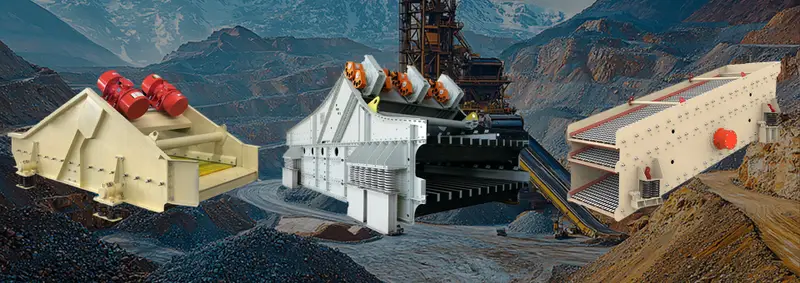
As a fundamental scalping tool, this workhorse is critical for optimizing throughput, protecting equipment, and reducing operational costs. Here’s why:
✅ 1. Primary Scalping & Pre-Screening: The first job of a bar screen is to receive Run-of-Mine (ROM) ore. It efficiently separates fines (undersize material) from oversized rocks, allowing the already-sized material to bypass the primary crusher. This bypass screening significantly boosts the overall capacity of the comminution circuit.
✅ 2. Crusher Guardian: Installed before the primary jaw crusher, it acts as a vital protective barrier. It prevents tramp metal and uncrushably large boulders from entering the crusher, preventing costly damage, choke feeding, and unnecessary downtime. This alone makes it a cornerstone for asset protection.
✅ 3. Master of Tough Duty: Are you dealing with clay-bound, wet, or sticky materials? The bar screen’ design, often with trapezoidal bars, is highly resistant to blinding and pegging. When paired with high-pressure water sprays, it becomes an effective scrubbing and desliming machine, preparing ore for downstream processes like gravity separation.
✅ 4. Key Advantages:
High Capacity & Availability: With a large open area, it handles immense feed rates with minimal downtime.
Robustness: Built from abrasion-resistant steel, it withstands the incredible impact and wear from large rocks.
Low OPEX: Its simple design means easy maintenance and quick replacement of individual bars.
The Bottom Line: In an industry driven by efficiency and cost per ton, the bar screen is a perfect example of how a simple, well-designed piece of equipment can have an outsized impact on profitability and plant performance. It’s not just a screen; it’s a strategic asset for any mining operation.